Closing a £1.3m legacy platform to support BT's cloud strategy
BT International was retiring legacy products that no longer fitted its strategy. One of them, CMS, still had more than 30 customer accounts on it, and quietly held BT's pricing and billing logic. Closing it meant changing how the whole service worked.
7 minute read
The programme could not sign the supplier contract it needed to close a £1.3m a year platform.
Built a shared AS IS and TO BE of the whole service, with every dependency and owner visible.
Contract signed, every customer moved, and the platform closed within the agreed quarter, in line with BT's strategy.
The bigger picture
BT International was moving away from running its own cloud platforms and towards partner delivered cloud services. In this model BT owns the customer relationship and resells the service, and a supplier provides the platform underneath.
CMS, short for Compute Management System, sat between BT's private cloud customers and the supplier, Rackspace. On the surface it was a login portal. Underneath, it applied BT's pricing, discounts and service identifiers on top of the supplier's costs, which is what made the reseller model work. It cost around £1.3m a year to run. The plan was to close it and give customers direct access to the supplier's platform, without them losing anything.
How I got involved
My manager asked me to support the programme lead on the migration. That was all the context I had. My first calls were deeply technical and full of jargon, and nobody on the programme had worked with a service designer before.
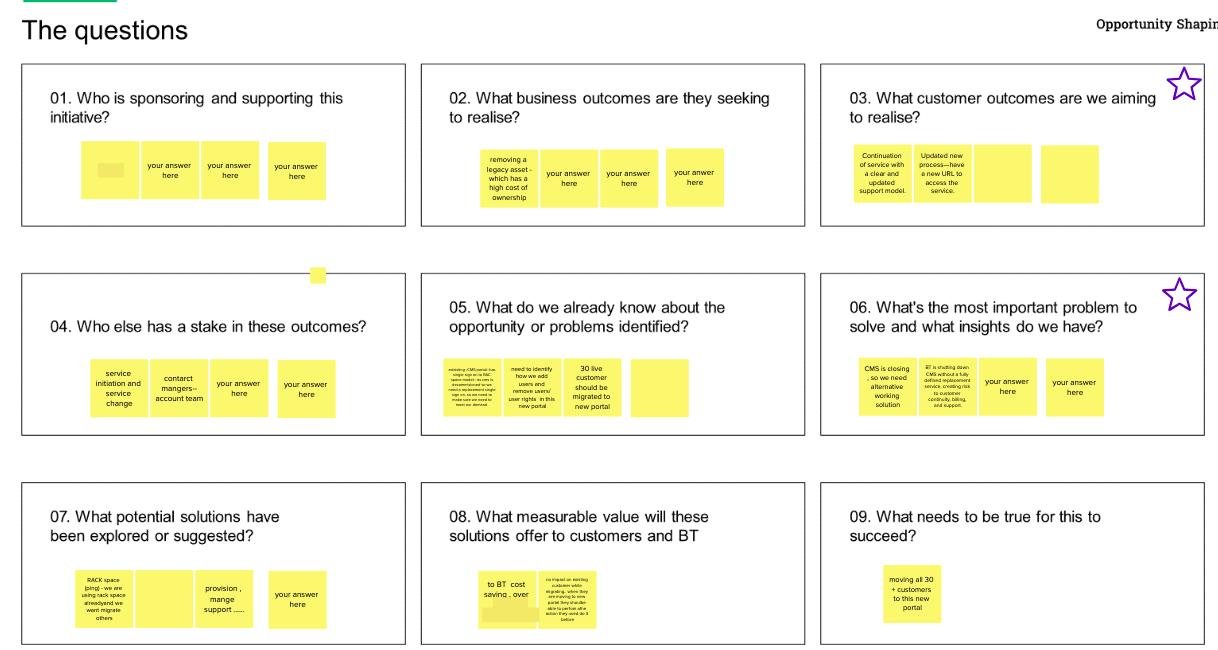
So I went back over the call recordings and transcripts until I understood the basics, and spent time with the senior cloud manager to learn the space properly. Then I made sure the key stakeholders had answered my opportunity shaping questions, and used their answers to write down the things nobody had agreed yet:
- a problem statement
- why the migration was necessary
- the customer outcome and the business outcome
- what the programme needed from service design
- what was in scope, and what was not
The real problem
The supplier had sent a Statement of Work, and from their side the change looked simple. Inside BT, people knew it was not simple, but nobody could say exactly why. The programme lead was not confident enough to sign, and one target date had already slipped.
What I realised: the blocker wasn't technical. There was no shared understanding of how CMS really worked end to end, so nobody could say what would break once it was gone.
What I proposed
I told the programme that service design could help by building one shared picture of the service:
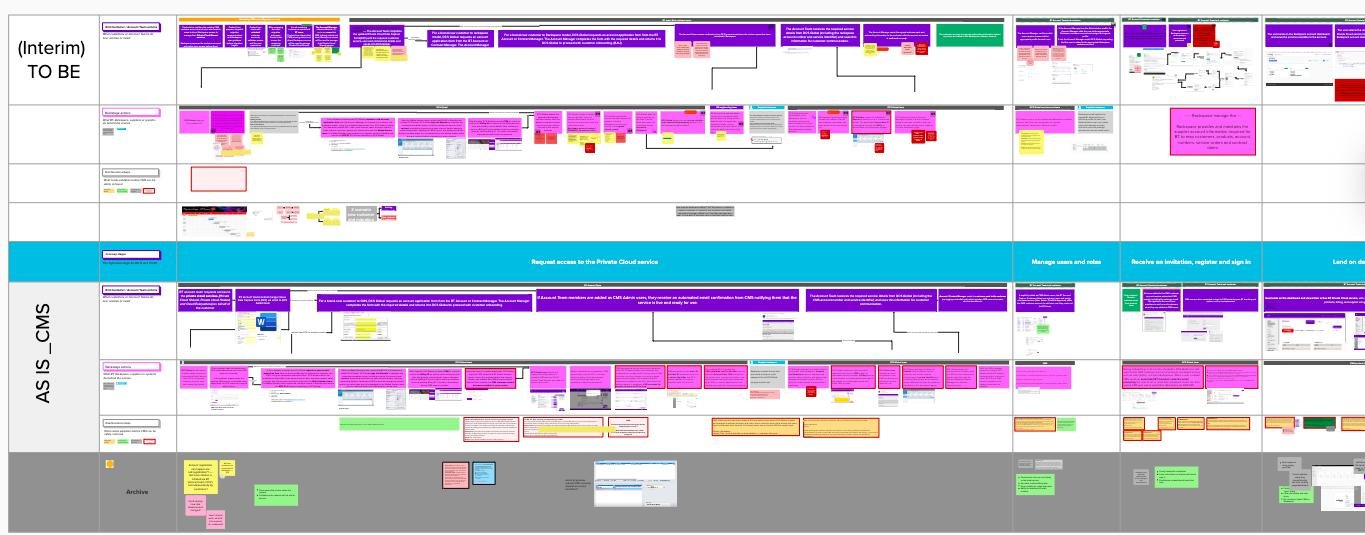
- Map the AS IS with every dependency. If CMS is removed, what depends on it, across the customer, the front stage and every back stage team?
- Name an owner for each dependency, so every gap had someone to answer it.
- Design the TO BE together, retire CMS step by step, and take the full picture to the supplier.
The programme lead liked the idea, and we started.
What the AS IS showed
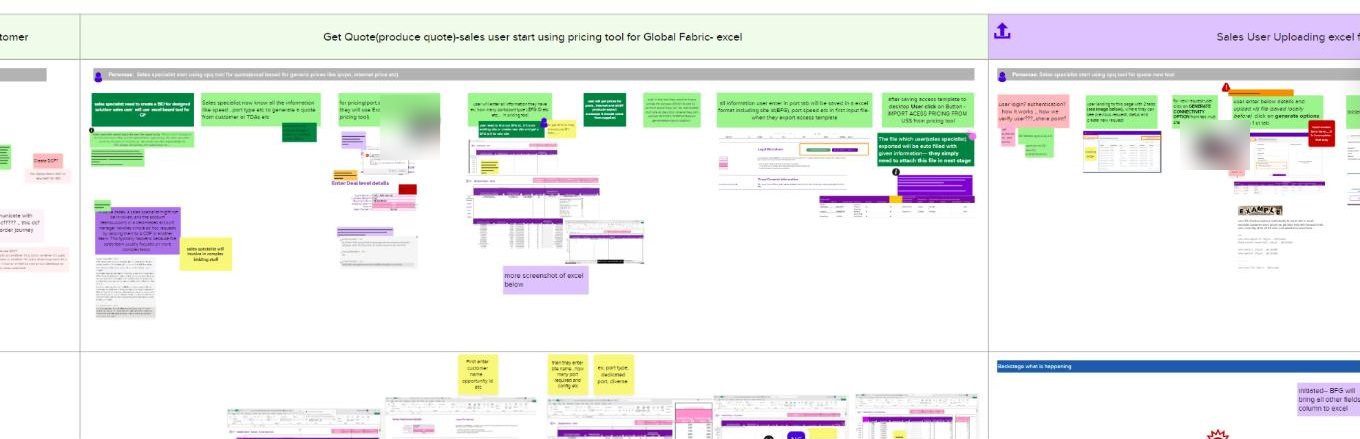
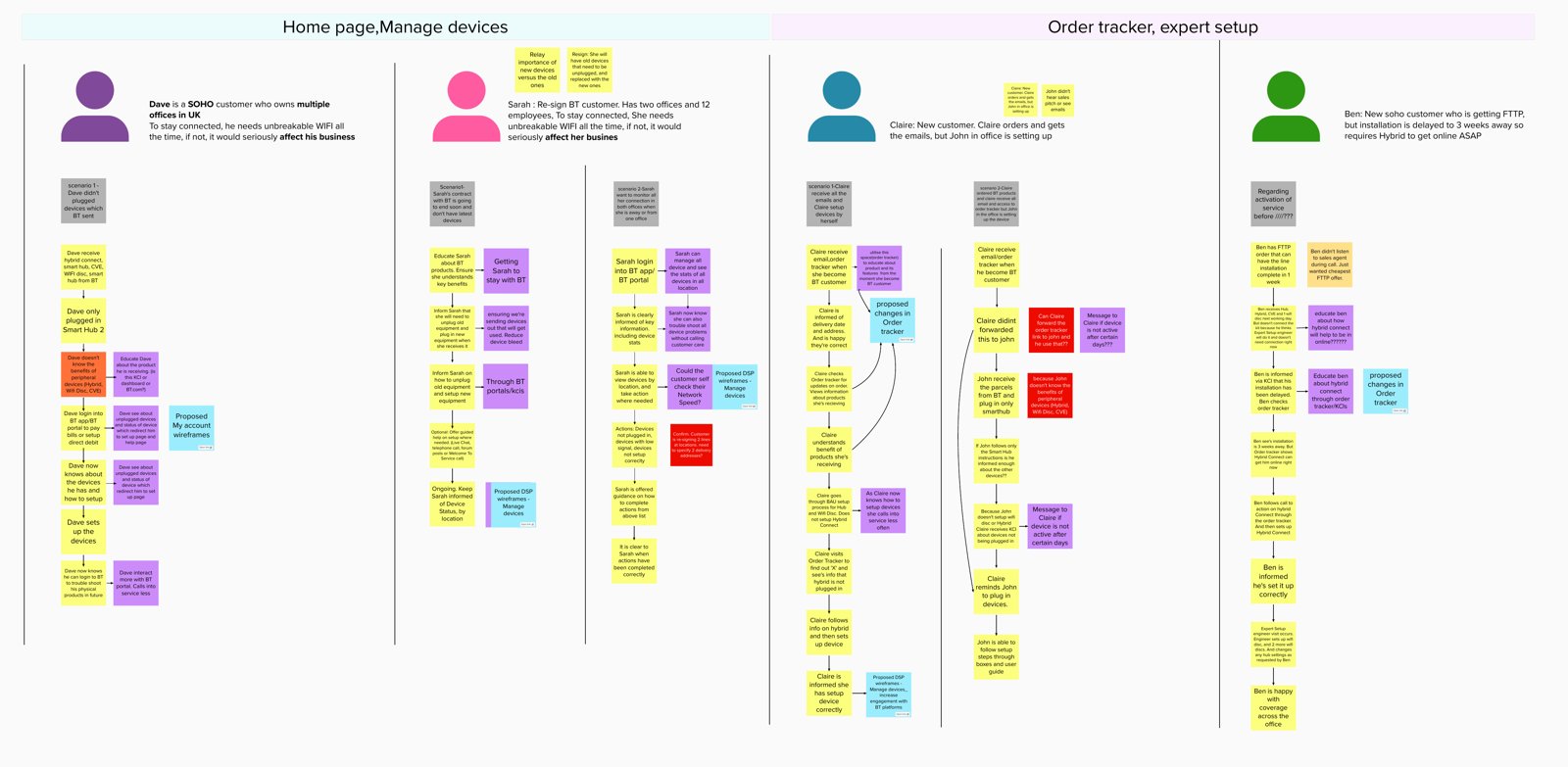
I mapped what customers actually did and all the back stage work behind it, pulling evidence from Product Line, Account Teams, Contract Managers, operations, engineering, finance, billing, support and the supplier. As the map grew, the team grew more confident, because for the first time everyone could see what was really happening.
The "login portal" turned out to be the commercial backbone of the service. It also acted as BT's billing engine, which nobody had planned for. It held BT pricing, the service identifier that linked customer, service and billing, and invoice visibility for Account Teams. None of that was in the Statement of Work, so I made sure those gaps were logged and escalated before anyone signed.
Bringing the supplier into the room
With an owner named for every question, we brought the supplier in and walked them through how the service really worked. It was clear quickly that this was not a simple switch off. They had questions of their own, and over many workshops with the supplier and BT's own teams we found a solution or an alternative for every dependency, so CMS could be retired safely.
- Ran a 90 minute validation workshop. It was the first time all the stakeholders had been in one room, and it surfaced 12 new findings.
- Worked out a new way to process billing once CMS was gone, so customers' invoices stayed exactly the same.
- Designed a handoff where engineering confirms billing was updated, so it was proven rather than assumed.
- Defined migration success as usable access, not an invitation sent: registered, signed in, correct account visible, right role, no critical issue open.
- Ran a strategic TO BE walkthrough with Product Line leadership, and an operational one where teams challenged anything they could not actually do.
A simplified version of how I kept evidence, assumptions, risks and decisions apart. The real register held 21 items across the journey stages, each with a named owner.
Decisions and trade offs
- Future reseller and new customer design went to a parking lot, so undefined work could not block closure.
- Migration ran in controlled batches, with access evidence before each batch.
- Losing the BT branded entry point was accepted as a documented, non blocking trade off.
Outcome
Once the AS IS was validated, the programme felt confident enough to sign the Statement of Work. We moved every customer to direct supplier access, the new billing outputs matched the old ones so invoices were not affected, and the programme formally closed.
When I asked for feedback, all five stakeholders gave me 5 out of 5 for challenging assumptions and unclear ownership.
What stakeholders said
Summarised from written feedback, with names removed.
What I learnt
- Shared understanding and alignment across teams is what sped the work up. Once everyone could see the same map, we spent less time explaining and more time deciding.
- A platform is part of a service. Switching it off does not switch off the pricing, billing and responsibilities that run through it.